
Step 1 - Update the Heading
Step 4 - Update the preview Image
Step 5 - Add a short summary here for the blog preview (2-3 sentences)
Step 6 - Update the URL
Step 2 - Add new image
Step 3 - Copy Text and format.
When I started hairdressing in 1982, I couldn't have imagined where the next 40 years would take me. I've worked in hair, makeup, fashion and personal styling. I've owned my own salon, worked with brides, styled fashion and editorial shoots, and spent more than a decade as Head Stylist for a fashion company.
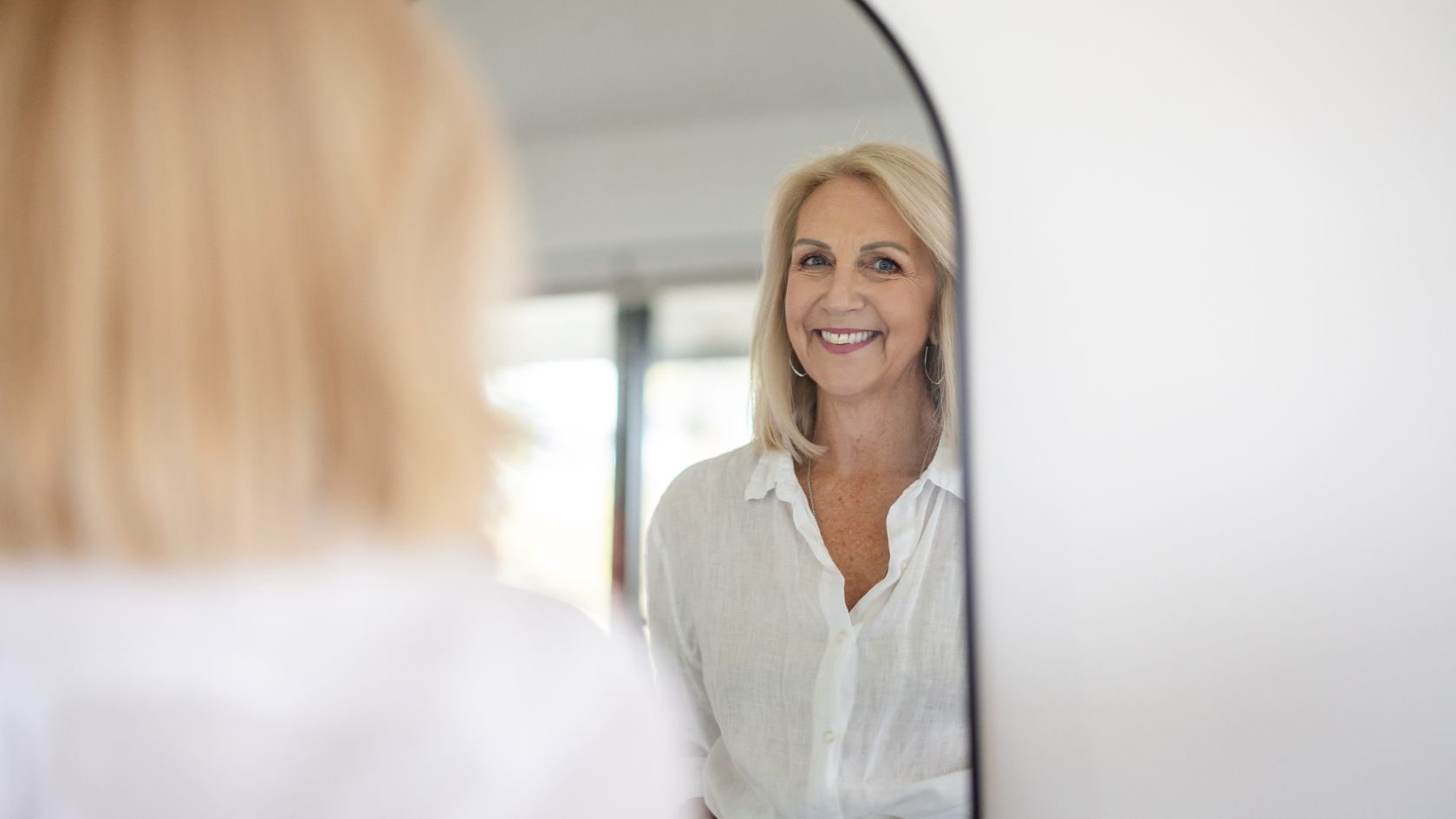
But when I think about everything those years have taught me, I don't think first about hairstyles or clothes. I think about the women. I've spent thousands of hours talking to women while they've been sitting in front of a mirror, getting ready for a wedding, trying on clothes or wondering whether something really suits them, and if there's one thing I've learnt, it's that style is rarely just about fashion. It's usually about life.
Our bodies change, and that's not a styling failure
I've watched women become frustrated with themselves because clothes that used to work suddenly don't. Perhaps their shape has changed after having children. Perhaps menopause has changed where they carry weight. Maybe their hair has gone grey, their skin has changed, or they simply don't feel comfortable in the silhouettes they wore ten years ago. The temptation is often to blame your body, but I've learnt to look at it differently.
If a particular shape no longer works for you, we find another one. If the colours you've always worn aren't doing you any favours anymore, we look at different colours. If high heels have stopped being enjoyable, we find shoes you actually want to walk in. Style is allowed to change because you are allowed to change.
Expensive doesn't automatically mean flattering
I've styled enough clothes over the years to know that the price on the label tells me very little about whether something will look good on the person wearing it. I've seen inexpensive pieces look wonderful because the colour, proportion and fit were right, and I've also seen very expensive pieces do absolutely nothing for someone. A designer label can't compensate for the wrong fit.
That's why I would much rather see someone buy one piece that works beautifully with her colouring, body shape and existing wardrobe than five expensive pieces she doesn't know how to wear. The best clothes aren't necessarily the most expensive ones. They're the ones you keep reaching for because they feel right every time you put them on.
We are often much kinder to other women than we are to ourselves
This is perhaps one of the biggest things I've noticed. A woman will look at her friend and see beautiful hair, lovely eyes, a great smile or fabulous legs, then look at herself and immediately find the part she wants to hide. Her stomach, her arms, her hips, her wrinkles.
Over the years I've heard so many versions of “I can't wear that because…”. Sometimes there is a practical styling consideration behind it, and of course we can work with that, but sometimes the rule has been sitting there for years without ever being questioned.
Style should help you appreciate what is already there. I don't want to dress you to hide as much of yourself as possible. I want to understand what makes you feel comfortable, what you love about yourself and what helps you walk out the door feeling good. There's a very big difference.
The right colour can do more than you think
After working across hair, makeup and clothing, I've seen how powerful colour can be. Sometimes changing the colour closest to someone's face makes a bigger difference than changing the entire outfit. Skin looks brighter, eyes become more noticeable and hair colour suddenly makes sense. Quite often, the woman I'm working with notices it herself before I need to say anything.
That's why I don't see colour analysis as a trend or a set of seasonal rules. It's practical information you can use for years. It can guide clothing, accessories, makeup and even conversations about hair colour. Most importantly, it can remove a lot of guesswork and make shopping far less overwhelming.
Confidence doesn't come from following every fashion rule
Fashion has given women plenty of rules over the years. What to wear at a certain age. What not to wear if you're a particular shape. Which hemline is “appropriate”. Which trends you're supposedly too old for.
After 40 years, I'm much more interested in the woman than the rule. There are certainly styling principles that can help us create proportion, balance and harmony, but they should be tools rather than restrictions. If you love something and feel wonderful wearing it, that matters.
I would never want someone to walk away from a styling session feeling as though I've given her a new set of things she isn't allowed to do. The aim is the opposite. I want you to understand yourself well enough that choosing becomes easier, and to feel confident making those choices for yourself.
Sometimes we keep dressing for a woman we used to be
This is something I've come to understand more and more. We carry an image of ourselves in our heads, and sometimes that image hasn't caught up with our lives.
You might still be shopping for the corporate wardrobe you needed ten years ago. Perhaps you're holding onto the style you had before children, menopause, retirement or a major change in your life. Maybe you've spent so many years putting everyone else first that you're not actually sure what you like anymore. That can make shopping surprisingly difficult.
Where do you start when the person you're shopping for has changed? You start by getting to know her again. What does your life actually look like now? What do you enjoy wearing? Where are you going? What makes you comfortable? Which colours bring you to life? Which shapes work with your body rather than asking your body to work with them?
Those questions are far more useful to me than asking what someone your age is “supposed” to wear.
And perhaps the biggest thing I've learnt is to listen
After all these years, this is still where I begin. Before colour palettes, body shapes, clothes, hair or makeup, I listen. Because when a woman tells me she wants to feel more stylish, there is often something else underneath that. She may be starting a new chapter, preparing for an important event, adjusting to changes in her body or simply realising that she hasn't thought about herself for a very long time. Sometimes she can't quite explain what's wrong. She just knows that the woman she sees in the mirror doesn't quite match the woman she feels like inside.
I understand that much better now than I did when I started my career in 1982. And perhaps that's what more than 40 years of working with women has really taught me: good styling isn't about turning someone into somebody else. It's about listening carefully enough to help her recognise herself again.
What 40 Years of Working With Women Has Taught Me About Style.
After more than 40 years working across hair, makeup, fashion and styling, Sandy has learnt that personal style is rarely just about clothes. She shares some of the lessons that have stayed with her - from changing bodies and colour to confidence, self-criticism and learning to dress for the woman you are today.
When I started hairdressing in 1982, I couldn't have imagined where the next 40 years would take me. I've worked in hair, makeup, fashion and personal styling. I've owned my own salon, worked with brides, styled fashion and editorial shoots, and spent more than a decade as Head Stylist for a fashion company.
But when I think about everything those years have taught me, I don't think first about hairstyles or clothes. I think about the women. I've spent thousands of hours talking to women while they've been sitting in front of a mirror, getting ready for a wedding, trying on clothes or wondering whether something really suits them, and if there's one thing I've learnt, it's that style is rarely just about fashion. It's usually about life.
Our bodies change, and that's not a styling failure
I've watched women become frustrated with themselves because clothes that used to work suddenly don't. Perhaps their shape has changed after having children. Perhaps menopause has changed where they carry weight. Maybe their hair has gone grey, their skin has changed, or they simply don't feel comfortable in the silhouettes they wore ten years ago. The temptation is often to blame your body, but I've learnt to look at it differently.
If a particular shape no longer works for you, we find another one. If the colours you've always worn aren't doing you any favours anymore, we look at different colours. If high heels have stopped being enjoyable, we find shoes you actually want to walk in. Style is allowed to change because you are allowed to change.
Expensive doesn't automatically mean flattering
I've styled enough clothes over the years to know that the price on the label tells me very little about whether something will look good on the person wearing it. I've seen inexpensive pieces look wonderful because the colour, proportion and fit were right, and I've also seen very expensive pieces do absolutely nothing for someone. A designer label can't compensate for the wrong fit.
That's why I would much rather see someone buy one piece that works beautifully with her colouring, body shape and existing wardrobe than five expensive pieces she doesn't know how to wear. The best clothes aren't necessarily the most expensive ones. They're the ones you keep reaching for because they feel right every time you put them on.
We are often much kinder to other women than we are to ourselves
This is perhaps one of the biggest things I've noticed. A woman will look at her friend and see beautiful hair, lovely eyes, a great smile or fabulous legs, then look at herself and immediately find the part she wants to hide. Her stomach, her arms, her hips, her wrinkles.
Over the years I've heard so many versions of “I can't wear that because…”. Sometimes there is a practical styling consideration behind it, and of course we can work with that, but sometimes the rule has been sitting there for years without ever being questioned.
Style should help you appreciate what is already there. I don't want to dress you to hide as much of yourself as possible. I want to understand what makes you feel comfortable, what you love about yourself and what helps you walk out the door feeling good. There's a very big difference.
The right colour can do more than you think
After working across hair, makeup and clothing, I've seen how powerful colour can be. Sometimes changing the colour closest to someone's face makes a bigger difference than changing the entire outfit. Skin looks brighter, eyes become more noticeable and hair colour suddenly makes sense. Quite often, the woman I'm working with notices it herself before I need to say anything.
That's why I don't see colour analysis as a trend or a set of seasonal rules. It's practical information you can use for years. It can guide clothing, accessories, makeup and even conversations about hair colour. Most importantly, it can remove a lot of guesswork and make shopping far less overwhelming.
Confidence doesn't come from following every fashion rule
Fashion has given women plenty of rules over the years. What to wear at a certain age. What not to wear if you're a particular shape. Which hemline is “appropriate”. Which trends you're supposedly too old for.
After 40 years, I'm much more interested in the woman than the rule. There are certainly styling principles that can help us create proportion, balance and harmony, but they should be tools rather than restrictions. If you love something and feel wonderful wearing it, that matters.
I would never want someone to walk away from a styling session feeling as though I've given her a new set of things she isn't allowed to do. The aim is the opposite. I want you to understand yourself well enough that choosing becomes easier, and to feel confident making those choices for yourself.
Sometimes we keep dressing for a woman we used to be
This is something I've come to understand more and more. We carry an image of ourselves in our heads, and sometimes that image hasn't caught up with our lives.
You might still be shopping for the corporate wardrobe you needed ten years ago. Perhaps you're holding onto the style you had before children, menopause, retirement or a major change in your life. Maybe you've spent so many years putting everyone else first that you're not actually sure what you like anymore. That can make shopping surprisingly difficult.
Where do you start when the person you're shopping for has changed? You start by getting to know her again. What does your life actually look like now? What do you enjoy wearing? Where are you going? What makes you comfortable? Which colours bring you to life? Which shapes work with your body rather than asking your body to work with them?
Those questions are far more useful to me than asking what someone your age is “supposed” to wear.
And perhaps the biggest thing I've learnt is to listen
After all these years, this is still where I begin. Before colour palettes, body shapes, clothes, hair or makeup, I listen. Because when a woman tells me she wants to feel more stylish, there is often something else underneath that. She may be starting a new chapter, preparing for an important event, adjusting to changes in her body or simply realising that she hasn't thought about herself for a very long time. Sometimes she can't quite explain what's wrong. She just knows that the woman she sees in the mirror doesn't quite match the woman she feels like inside.
I understand that much better now than I did when I started my career in 1982. And perhaps that's what more than 40 years of working with women has really taught me: good styling isn't about turning someone into somebody else. It's about listening carefully enough to help her recognise herself again.
“I Have Nothing to Wear” - Why a Full Wardrobe Can Still Feel Like Nothing Works
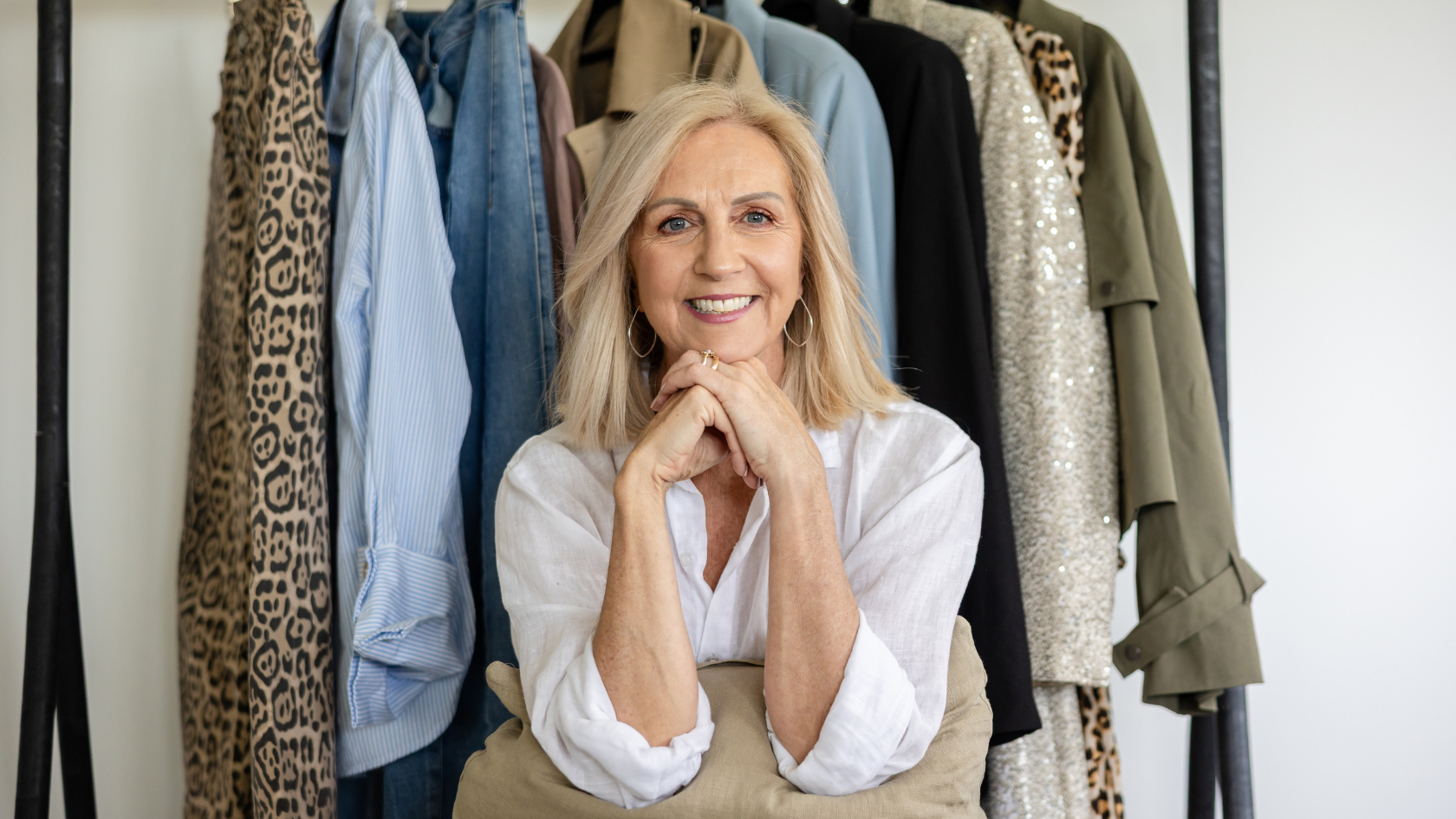
A full wardrobe doesn’t always mean a functional one. Sandy looks at why our clothes can stop working for us as our bodies, lifestyles and priorities change, and how a few thoughtful adjustments can make getting dressed feel easier again.
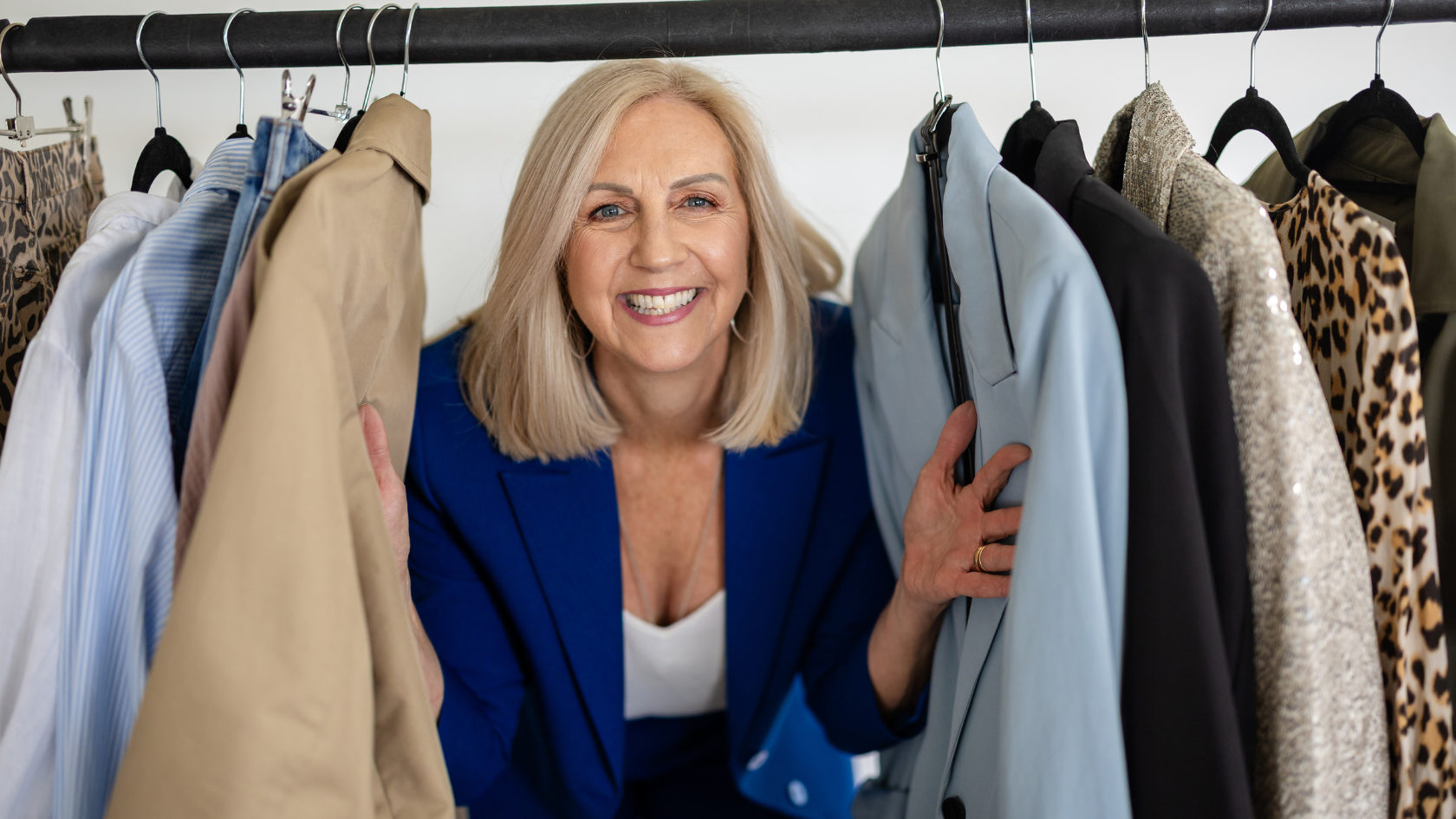
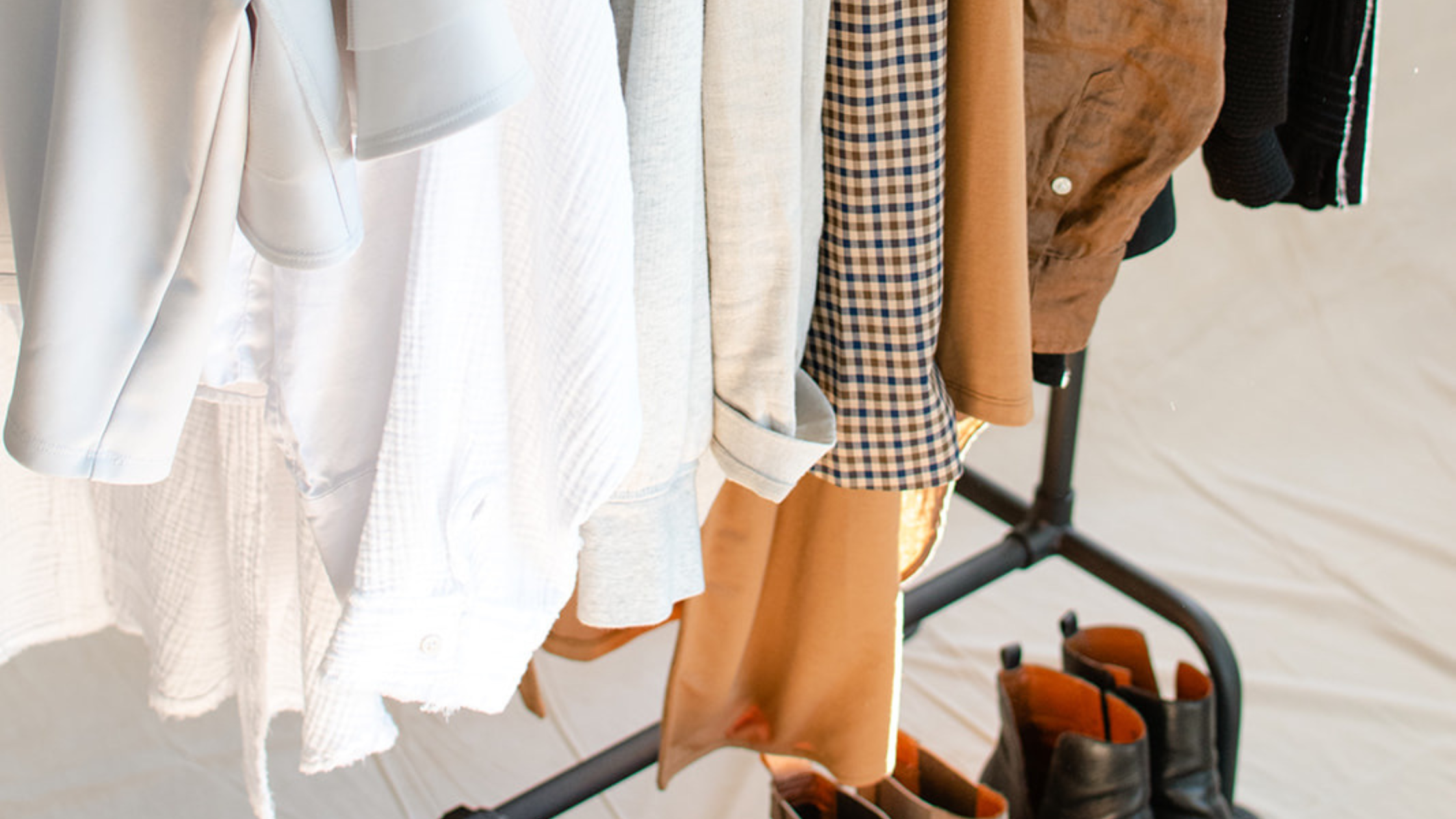
“I have nothing to wear.” I have heard women say this countless times over the years, usually while standing in front of a wardrobe that is very definitely not empty. There are dresses, jackets, jeans, tops, shoes and perhaps a few things still carrying their tags. There might even be clothes squeezed so tightly together that you can't really see what is there. And yet, when it's time to get dressed, nothing feels right. The interesting thing is that the answer is rarely to buy more clothes.
Your wardrobe may belong to several different versions of you
Most wardrobes aren't created according to a plan. They accumulate. There are clothes from the job you used to have, things you bought for holidays, pieces from when your body was different, something you bought because it was on sale, and outfits for a social life you may not actually have anymore. Then there are the clothes we're keeping “just in case”. Just in case I lose weight. Just in case that trend comes back. Just in case I suddenly need six corporate jackets again. Before long, your wardrobe can become a history of your life rather than a useful collection of clothes for the life you're living now. That is often where the frustration starts.
Life changes, and wardrobes don't automatically change with us
By the time we reach our 50s and beyond, quite a lot may have changed. Our bodies can change. Careers change. Children grow up. We retire, start new jobs, travel differently, move somewhere new, go through menopause, enter or leave relationships, become grandparents or simply decide that we're no longer willing to spend an entire evening wearing something uncomfortable because it looked good for five minutes in a fitting room. What we need from our clothes changes too. But it's very easy to keep shopping using an old formula. You buy another version of something you've always worn because it's familiar, even though it doesn't quite suit your life anymore. Then you get home and wonder why you still have nothing to wear.
Sometimes you have plenty of clothes, but very few outfits
This is one of the first things I look at when I'm helping someone with their wardrobe. Individual pieces can be beautiful and still make a very difficult wardrobe. You might have ten lovely tops but only one pair of pants that works with them. Or several statement pieces, but none of the simple basics that pull everything together. Perhaps you've bought lots of clothes in different colours without considering whether those colours actually work together. That's when getting dressed starts to feel like a puzzle.
A useful wardrobe isn't necessarily a large wardrobe. It's one where the pieces talk to each other. Your favourite jacket works with several tops. Your trousers work with different shoes. You can change an outfit with jewellery or a scarf rather than having to start again. When you're buying something new, you can already picture two or three things at home that you could wear it with. Suddenly you have options rather than just clothes.
There may also be clothes you're avoiding
This can be a more emotional part of looking through a wardrobe. Sometimes we keep clothes because they represent a body we used to have or a time in our life when we felt different. Seeing them every morning can become a tiny reminder that we're comparing ourselves with who we used to be. I don't think getting dressed should begin that way. Your clothes are meant to fit and support the person you are now. You shouldn't have to change yourself to earn the right to enjoy your wardrobe again. That doesn't mean you have to throw out something sentimental or get rid of every piece that doesn't currently fit. But perhaps those pieces don't need to occupy the most valuable space in the wardrobe you open every morning.
Before you go shopping, look at what you already have
This is why I often recommend starting with the wardrobe rather than the shops. Pull things out. Try them on. Look at what you genuinely wear and ask yourself why those pieces work. Notice what you continually pass over and think about why you don't choose it. You may find you don't need an entirely new wardrobe at all. Perhaps you need a great pair of trousers that works with five tops you already own. Maybe it's a jacket that pulls your dresses together, shoes that make certain outfits more wearable, or a few pieces in colours that connect everything. A thoughtful shopping list is much more useful than wandering around the shops hoping inspiration will strike.
The goal isn't a perfect wardrobe
I don't believe anyone needs a wardrobe where every hanger has been colour-coded and every outfit has been carefully curated for Instagram. It just needs to work for you. You should be able to open your wardrobe and see clothes that fit your body, your lifestyle and the woman you are today. There will still be mornings when you change your mind three times. That's life. But “I have nothing to wear” shouldn't be the way you feel every day. Sometimes a fresh pair of eyes is all it takes to see that you already have the beginnings of a wonderful wardrobe. You just need to work out what belongs, what's missing and how to bring it all together.
Sandy's Wardrobe Refresh & Personal Shopping service is designed to do exactly that - helping you rediscover what you already own, identify the pieces you're missing and create a wardrobe that makes getting dressed feel easier.
How to Know Which Colours Actually Suit You
Why do some colours make you look fresh and bright, while others seem to wash you out? Sandy explains what really goes into personal colour analysis, why it’s about more than simply being “warm” or “cool”, and how knowing your colours can make shopping and getting dressed much easier.
Have you ever put on a top and thought you looked tired, even though you felt perfectly fine? Then another day you wear a different colour and someone tells you how well you look.
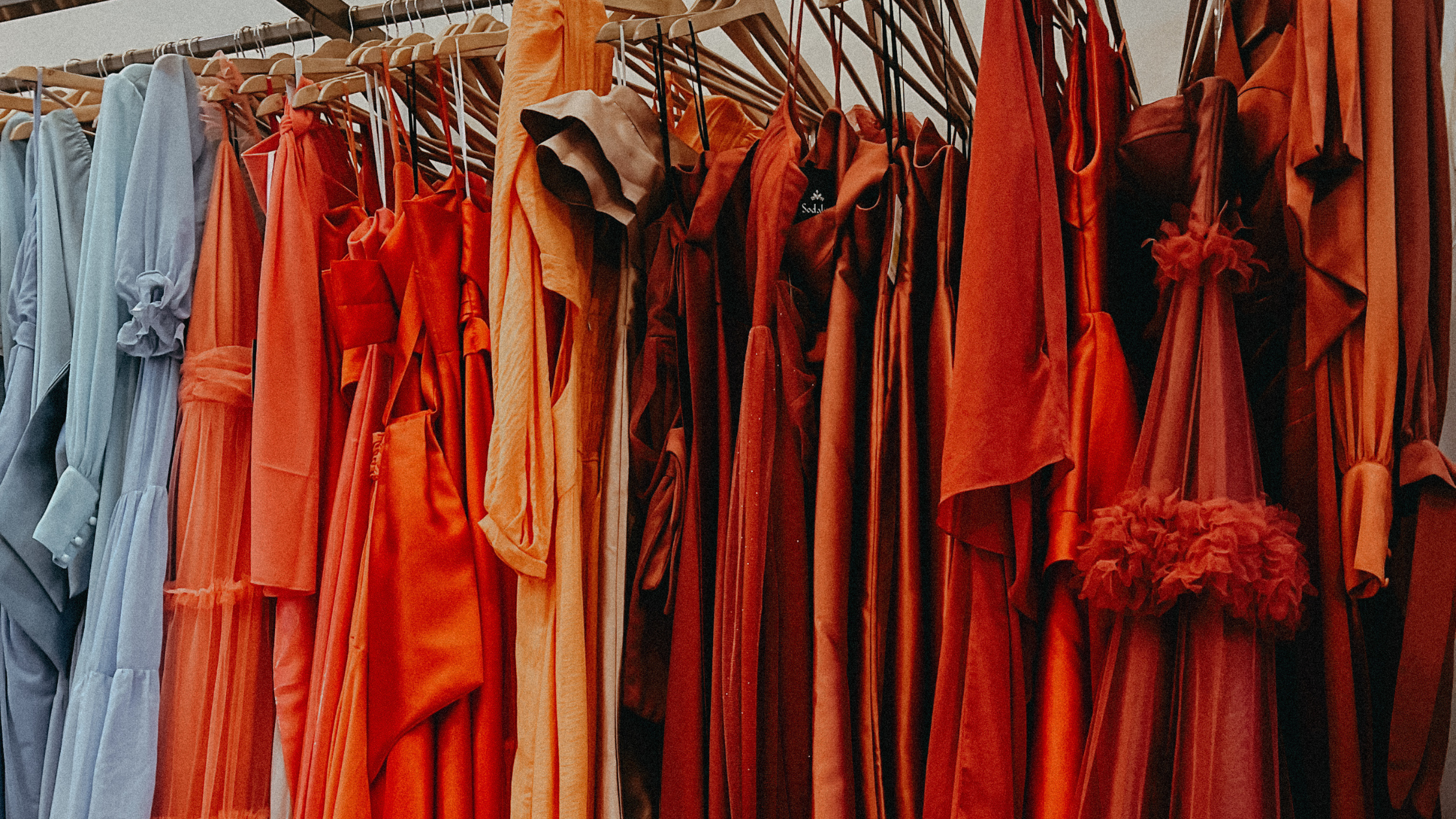
There’s a reason for that. The colours we wear sit right beside our face, so they can have a surprising effect on how our skin, eyes and hair appear. The right colours can make your complexion look brighter, your eyes more noticeable and your overall appearance feel fresher. Other colours can make shadows, redness or unevenness more noticeable.
That doesn’t necessarily mean you can never wear a particular colour. Personal colour analysis isn’t about handing you a list of rules. It’s about understanding which versions of colours work particularly well for you, so you have a much better starting point when you’re getting dressed or shopping.
It’s not as simple as warm or cool
You may have heard people talk about having a warm or cool skin tone, and that is certainly part of colour analysis. But there is more to it than that. I also look at the natural depth and contrast in your colouring, how bright or muted colours interact with your features, and which tones create harmony rather than competing with you. Take blue, for example. Someone might tell me, “I can’t wear blue,” when actually there may be several beautiful blues that suit them. It could simply be that the very pale icy blue they’ve been trying washes them out, while a richer teal or softer navy makes their eyes stand out. The same goes for neutrals. Black isn't automatically everyone's best neutral, just as beige isn't automatically boring. The question is which black, navy, cream, camel, grey or brown works best with your natural colouring.
Once you start seeing those differences, colour becomes much easier to understand.
Start by noticing what happens to your face
If you’re trying to work out which colours suit you, one of the simplest things you can do is stop looking at the garment for a moment and look at your face instead. Try holding a few different colours underneath your face in good natural light, ideally without heavy makeup. Notice what happens when you move from one colour to another. Do your eyes suddenly become more noticeable? Does your skin look clearer? Do you see you first, or does the colour seem to take over? Sometimes the difference is subtle. Sometimes it really isn't. After more than 40 years working with women through hair, makeup, fashion and styling, I still love seeing that moment when we find a colour that just works. You can often see the difference before we've even discussed why.
Knowing your colours can change the way you shop
One of the biggest benefits of colour analysis has very little to do with fashion trends. It can simply make shopping easier. Think about how many times you've bought something because you loved the colour on the hanger, only to get it home and never feel quite right in it. You can't necessarily explain why. You just don't reach for it. When you understand your personal colour palette, you have a filter. Instead of walking into a shop and considering everything, you can begin by looking for colours you already know work for you. You may also find that the pieces in your wardrobe start working together more naturally because you're choosing from a palette of complementary colours rather than buying individual pieces in isolation.
That can mean fewer mistakes, fewer unworn clothes and much less standing in a change room wondering why something looked so much better on the mannequin.
And no, you don't have to throw everything away
This is something I always want women to understand. Having your colours analysed doesn't mean going home with a bag and clearing half your wardrobe out. If you love something, there are often ways to make it work. We might introduce one of your better colours closer to your face through a scarf, jacket or accessory, change the makeup you're wearing with it, or simply recognise that not every item in your wardrobe has to be the perfect colour. Your palette is there to help you, not restrict you. I want you to understand colour well enough that you can make your own decisions. That's much more useful than memorising a set of rules.
Colour changes as we do
The colours that suited you years ago may not feel quite the same today. Hair changes, skin changes and contrast can soften over time. You might also have stopped colouring your hair, embraced grey or silver, or simply find that the colours you once automatically reached for no longer seem quite right. That's completely normal. It doesn't mean you've lost your sense of style. You may simply need to look at yourself as you are now rather than continuing to dress from an old picture of yourself. And when you find the colours that really work? Getting dressed can suddenly become a lot simpler and more fun!
If you'd like to discover your own colours, Sandy offers personal Colour Consultations as well as Colour Workshops for groups, giving you practical guidance you can use every time you shop, dress or put an outfit together.